

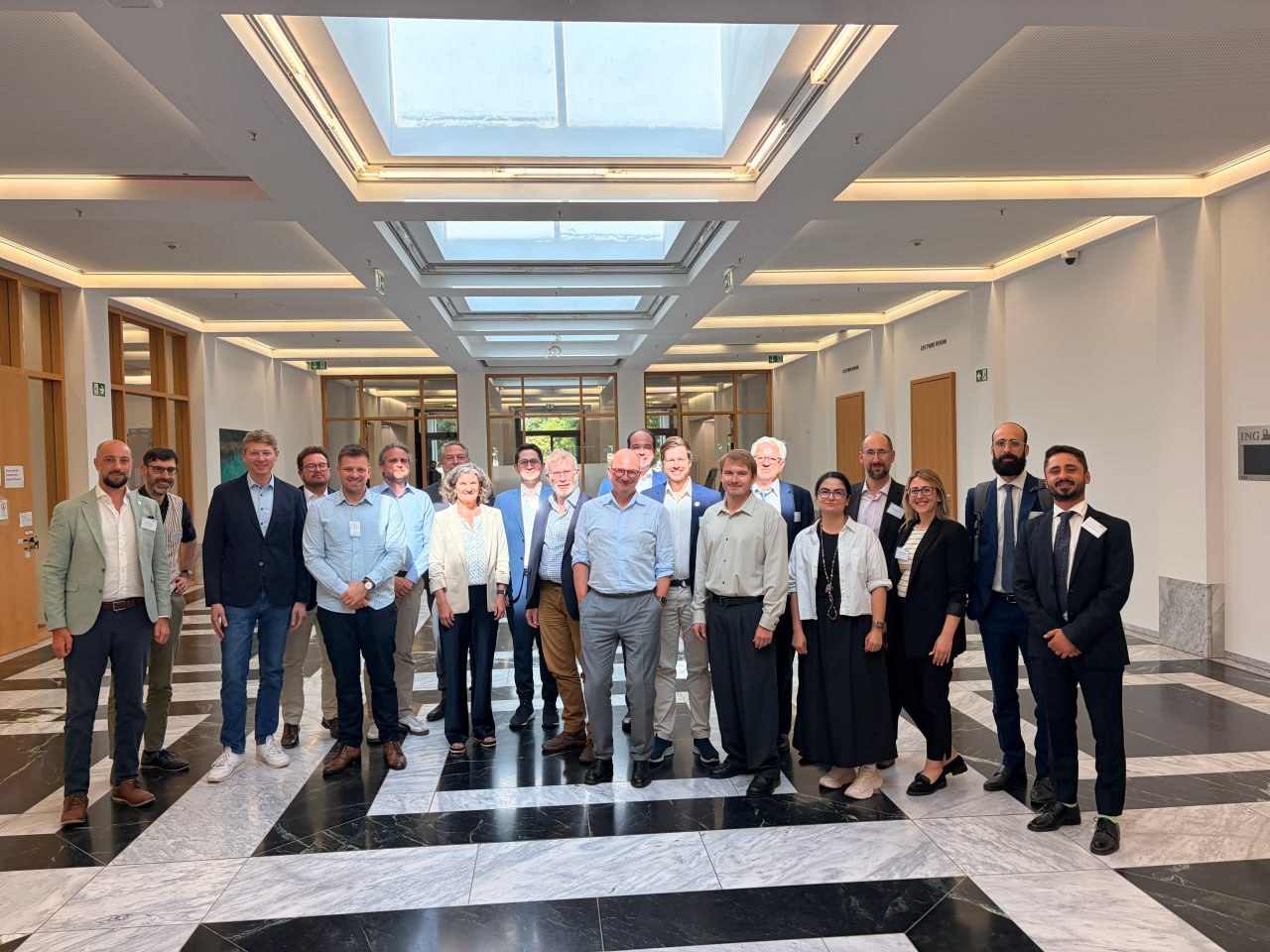
Last week in Frankfurt, we convened our second closed roundtable on European Financial Sovereignty.
Central bankers, market infrastructure incumbents, regulators, public chain foundations, and academics gathered to pressure-test the argument in our forthcoming brief, Making Euro(pe) Competitive.
The brief’s thesis is that sovereignty is a property of infrastructure rather than of instruments, and that Europe holds the assets to compete but has left them off-chain.
The window to act is roughly eighteen to twenty-four months.
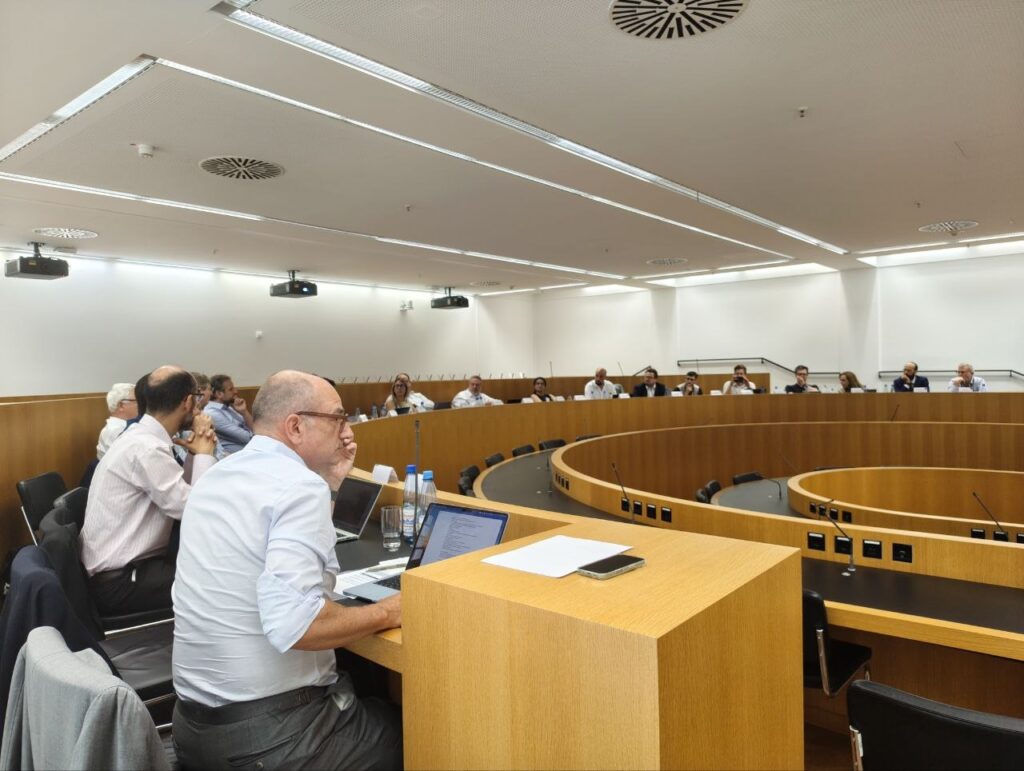
The room sharpened that case in four ways.
1. Participation over duplication
There is no realistic scenario in which trillions in existing assets are re-issued as native tokens.
The pragmatic route is to tokenise what Europe already has, anchored by institutions with public mandates rather than by private currency issuers, and to acquire weight inside the networks the world already uses.
2. The sequencing problem is real
In the United States, private actors build and regulation follows.
Europe regulates first and then waits for a market that rarely arrives. Sandboxes and pilot regimes drew open scepticism from the incumbents present, which strengthens the brief’s call for a more ex-post supervisory posture.
3. The MiCA review is the near-term lever
Participants pointed to the same self-imposed handicaps the brief targets, in particular the interest prohibition and the reserve quota, which risk leaving European issuers behind the emerging US frameworks.
Narrow, named-article amendments rather than a wholesale reopening.
4. Compliant privacy is a competitive specification
Retroactive disclosure and homomorphic encryption were treated as a distinctive European edge, with the potential to settle long-standing questions of bank liability.
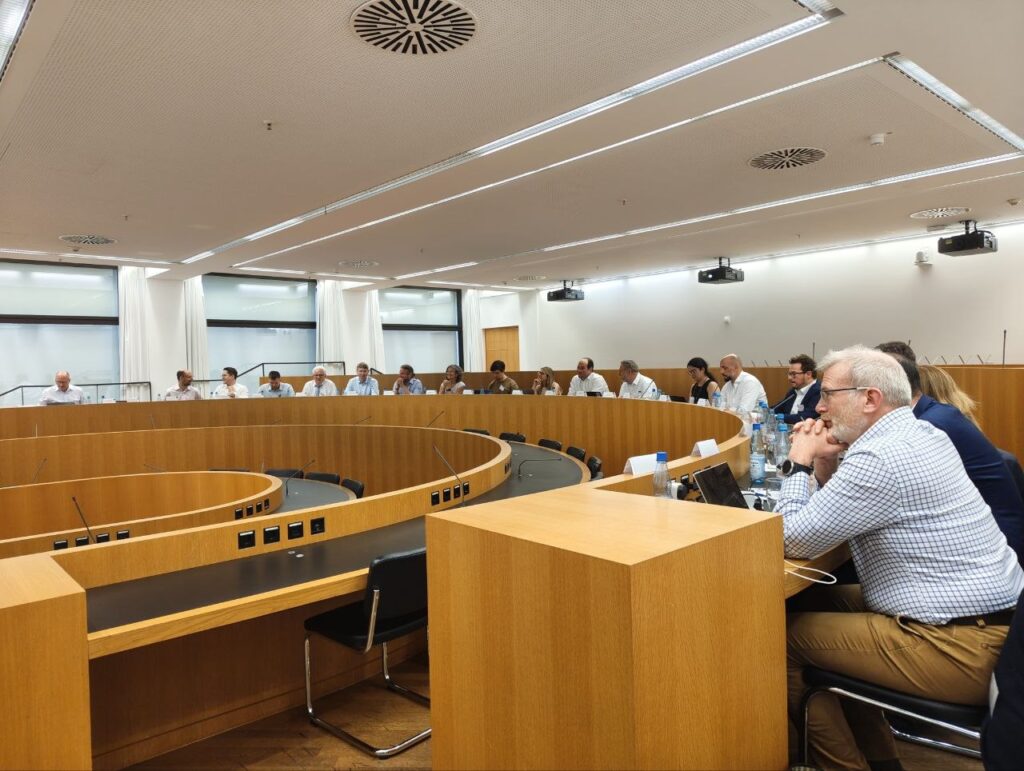
The through line was unsentimental.
The weaponised dollar is a persuasive argument in theory, but conviction alone will not move institutions.
Europe needs a policy environment attractive enough that private capital chooses to bet harder on the euro than on the alternatives.
Next steps
The outcomes of this roundtable will feed directly into our forthcoming policy brief, to be published. More follow up actions will be announced soon.
Acknowledgements
We thank to the participants for their candour, to EY-Parthenon and our EDI fellow Igor Mikhalev for shaping the discussion.
A special thanks to Dr. Rolf Friedewald and the Institute for Law and Finance (Goethe University Frankfurt) for hosting us.

